One of the most common frustrations in brand x brand partnerships and collaborations is: finding complementary brands.
It’s often the biggest hurdle. You know partnerships can drive growth, increase brand awareness, and help you reach new audiences, but identifying brands that truly align with your business can feel difficult.
Our founder, Amber, knows this challenge first-hand.
Before launching PartnerUp, Amber worked with startup brands where partnerships were a key growth channel. In her role, she was responsible for sourcing and managing collaborations, so she understands how frustrating the process can be.
Unlike paid advertising, partnerships are built around shared value and audience exchange. In many cases, two brands work together on a mutually beneficial marketing activity that helps both reach new customers.
That’s why so many brands invest in them.
Some common examples include:
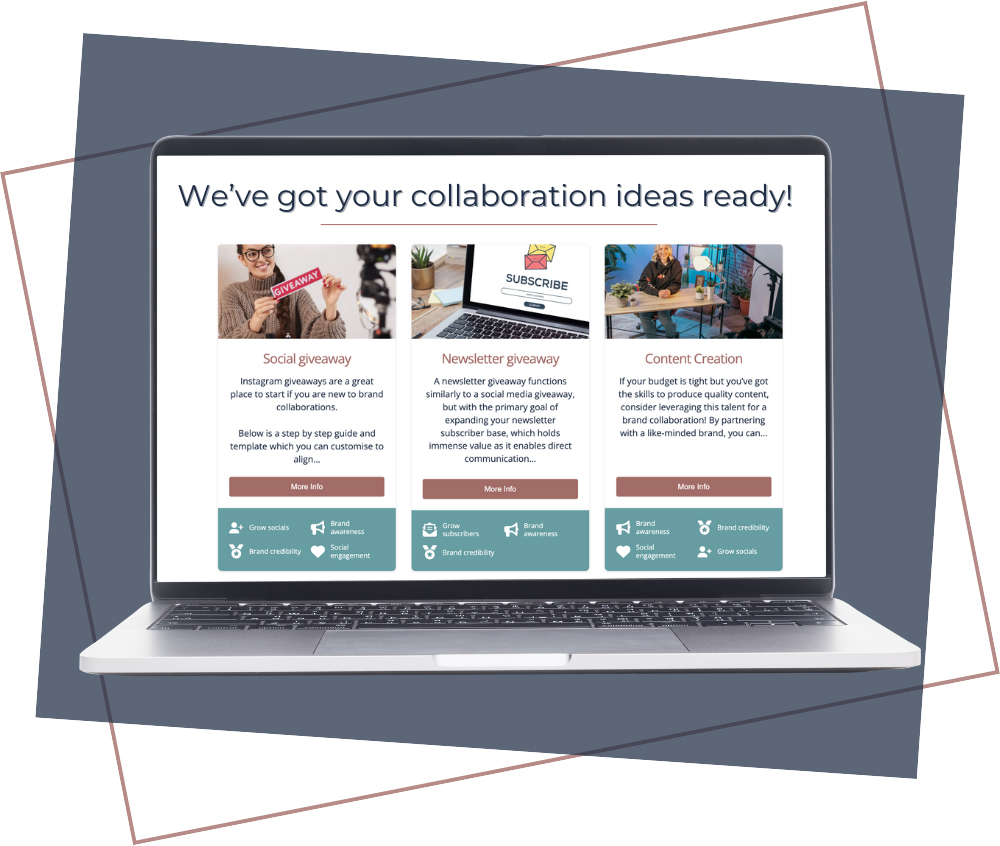
- Instagram giveaways
- Newsletter giveaways (read our ‘how-to’ guide)
- Gift bundles
- Co-branded products
- Co-hosted events
- Product collaborations
For a long time, there hasn’t been an easy way to discover suitable partner brands, until PartnerUp.
But if you’re not quite ready to join our community of 300+ brands, here are a few other ways to help you find potential partners.
1. Scroll Social Media
Social media is a useful starting point.
Platforms like Instagram and TikTok can help you discover brands.
The downside is the algorithm. It tends to show you brands you already engage with, rather than those that are the best strategic fit.
It’s helpful for inspiration, but limited for discovery.
2. Ask Around the Office
Sometimes the best ideas come from your team.
Colleagues often follow different brands and may suggest options you have not considered. A quick internal brainstorm can uncover strong partnership recommendations.
3. Attend Networking Events
Networking events are a great way to build partnerships.
You are often speaking directly to decision-makers, which means conversations can move quickly.
They can be time-consuming and do not guarantee the right fit, but they are valuable for building relationships.
4. Post on LinkedIn
LinkedIn can help generate partnership opportunities quickly.
A simple post expressing an interest in collaborations can do the trick.
The challenge is relevance. You may receive a high volume of responses from brands that are not a good fit.
5. Use PartnerUp
We might be biased, but PartnerUp is designed to make this process easier.
You can discover relevant brands that align with your audience and goals, and contact the right person directly.
No endless searching or cold outreach. Just focused partnership opportunities.
—————–
Finding the right brand for partnerships can be challenging, but the impact is worth it.
The right collaboration can introduce you to new audiences, build credibility, and drive growth in a cost-effective way.
Whether you use social media, networking, LinkedIn, or a platform like PartnerUp, the key is to focus on aligned audiences, shared values, and mutual benefit.
When the fit is right, partnerships become one of the most effective growth channels for your brand.